A new research student at my institution recently asked me “what should I read to learn about the ecology of Tasmania’s reef ecosystems?”
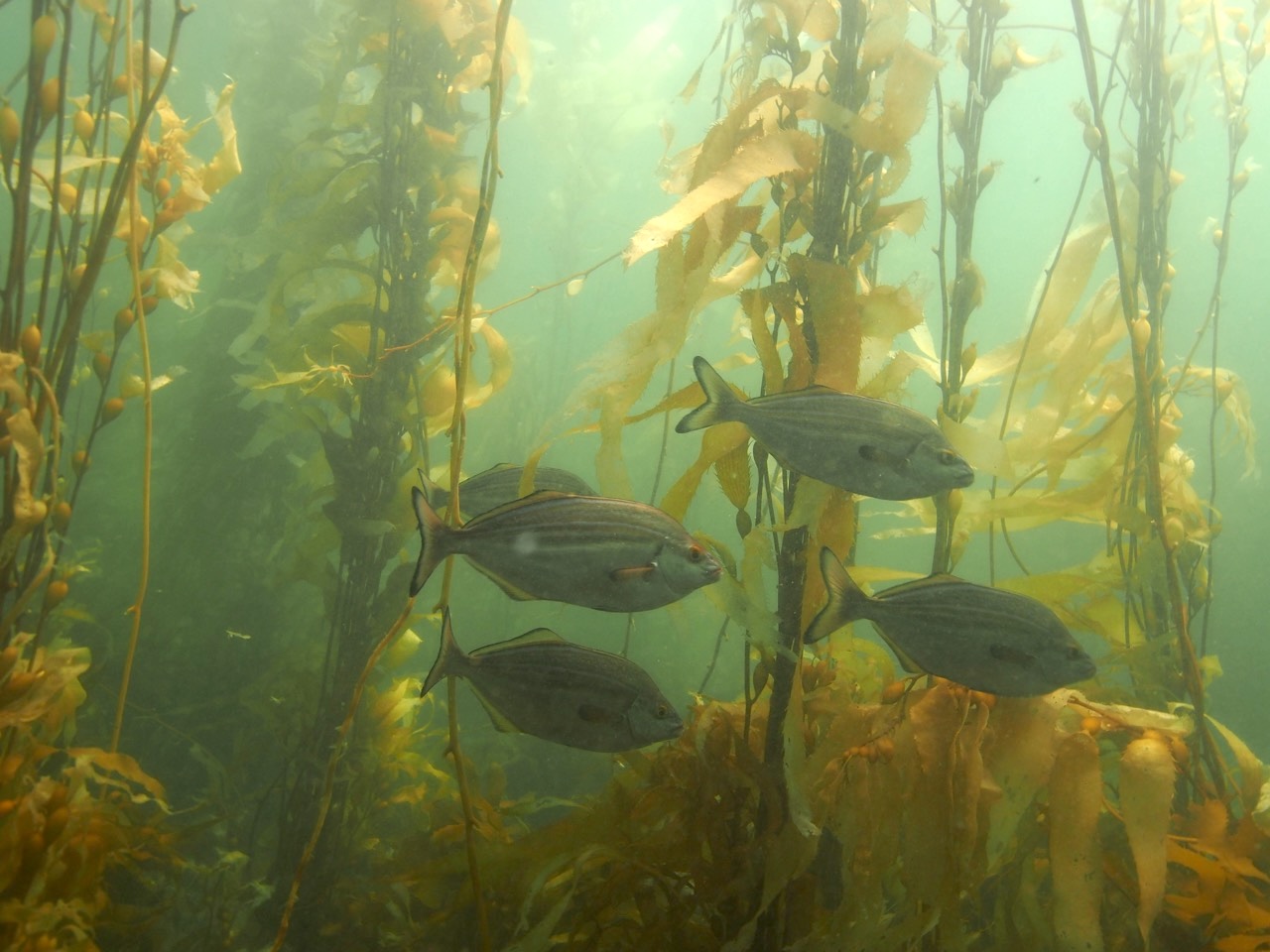
By reefs I’m thinking of the shallow reefs that are within diveable depth, so <40 metres. Basically, what you might see if you go diving or snorkeling down here.
There’s so much natural history to tell, but I can’t think of a single great source to recommend for an introduction. Writing that guide would be a great project for someone (and let me know if you know of one already).
The palawa are the first inhabitants of Tasmania and their claim to the land and seas was never ceded. If you know of good resources for Tasmanian Aboriginal relationship to the oceans, please let me know. In the meantime, I recommend you visit the Tasmanian Museum and Art Gallery and tour their exhibition on palawa culture.
Here’s a list of studies that cover some background on ecology in their content. Most are related to climate change, because that has been a big issue here in Tasmania, and therefore a big research theme. Feel free to comment or write me if you have other studies you think I should add here.
Many of these are scientific articles (again, we really need someone to pull this together into an accessible book or web resource). Some of the articles are paywalled, so if you can’t get them, I recommend emailing the lead author (you will find their emails on the paper webpages).
Graham Edgar has written a number of books on marine life. Most are ID guides, but they are also have some information on general ecology. Here are two I recommend:
Australian marine habitats in temperate waters. Graham Edgar
Australian Marine Life. Graham Edgar
Many years ago Edgar also wrote a general paper for the Royal Society of Tasmania on reef ecology:
Its old, but the basic ecology is still relevant.
A big feature of the reefs are the interactions among rock lobster, sea urchins and kelp forests. This study describes that interaction:
And a more recent update:
Reading modelling studies, rather than directly empirical studies, is actually a great way to get an overview of what’s understood about ecology. Modellers need to synthesize a large number of concepts into a simple representation. This modelling study is a good place to start:
Marzloff et al. 2016 Modelling marine community responses to climate-driven species redistribution to guide monitoring and adaptive ecosystem-based managementGlobal Change Biology
Species changing their ranges due to warming ocean temperatures have been big driver of change over the past two decades. Here’s a few key studies on that topic:
That’s all for now, but I’ll keep updating the list as a find new sources. Feel free to comment and add to this list also.