Generative AI for Coding and Research: An FAQ
A/Prof Chris Brown, University of Tasmania
2026-05-07
Generative AI for Coding and Research: An FAQ
Slides and links from a recent talk.
Back to my blog
Generative AI - Incredible and…
![]()
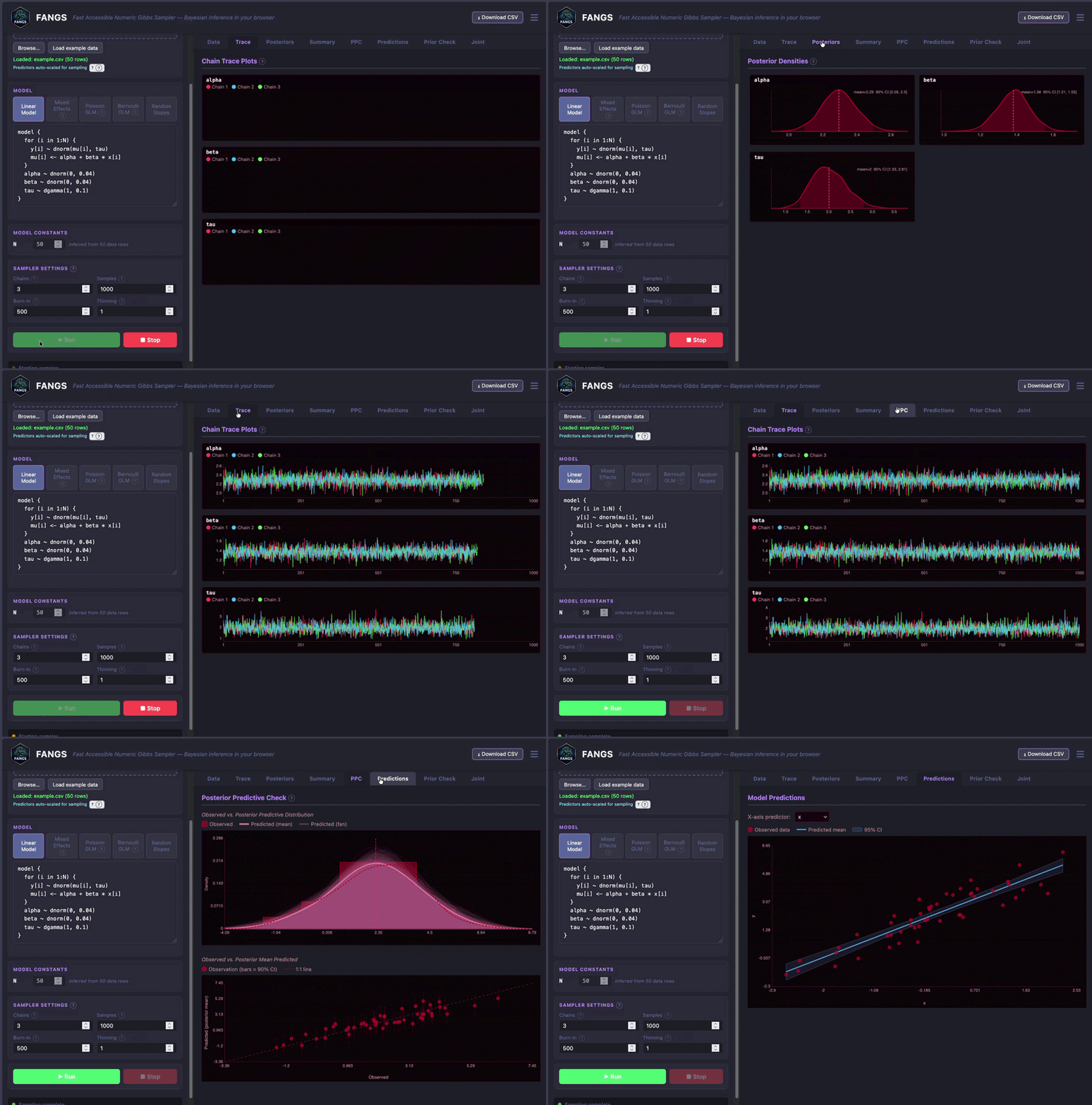
FANGS
Underwhelming
![]()
Aims
- Understand generative AI
- Learn key terms
- Use these tools effectively in research
What is GenAI?
- Artificial intelligence that generates new content (text, images, code)
- We’ll focus on Large Language Models
- Excel at logic and code generation
- Can interpret images, use browsers, debug code, access tools and the internet
- Predicted to be fully capable software developers in 1-3 years
How do LLMs work?
- Complex neural networks with multiple layer types
- Trained on large corpus of text data
- Generate content by predicting the next token (word)
- Watch explanation: 1:25-2:50
What is an AI Assistant?
Software that manages your interactions with an LLM.
Examples: Copilot, ChatGPT, Github Copilot, Claude Code
Using AI Assistants with R
- Claude Code or Github Copilot in VSCode
- Positron assistant
- AI R packages like gandar
- See Luis Verde’s page
Ways to Use LLMs for R
- Chat with an assistant for help
- Use keystroke assistants for code autocomplete
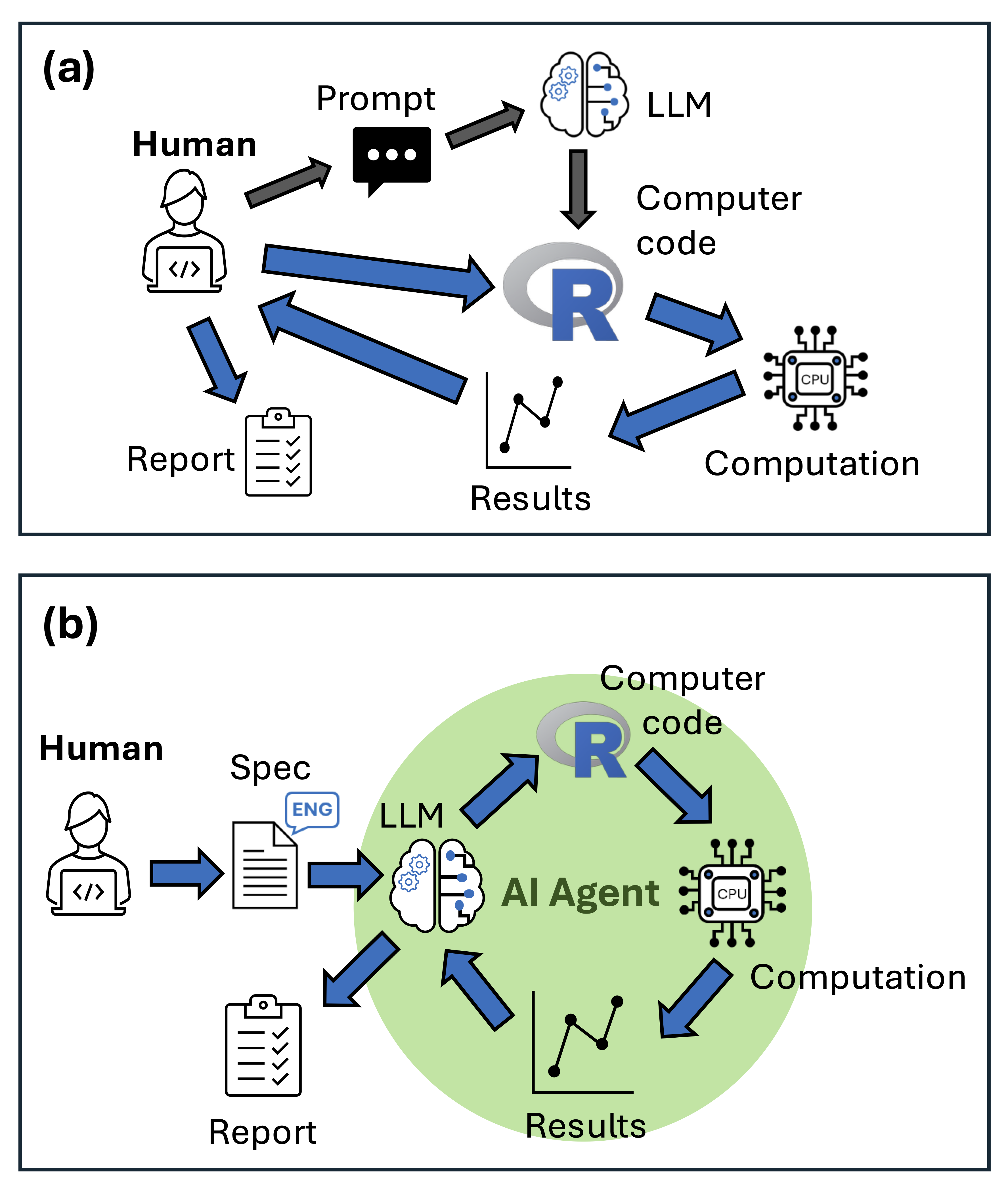
- Deploy agents to write code
- Integrate LLMs into your own R functions
Step 1: Statistical Approach Selection
Example prompt:
“I want to statistically test the dependence of fish abundance on coral cover. I have observations of coral cover (continuous %) and fish abundance (count). Data from 49 locations with standardized surveys. Sites are spatially clustered into regions. Provide several statistical approaches with assumption verification and visualizations. Reason step-by-step.”
Step 2: Plan Implementation
Structure your context as a README.md:
- Project title
- Research context and aims
- Analysis methodology
- Technology context (R packages)
- Analysis steps
- Directory structure
- Data locations and metadata
General Advice
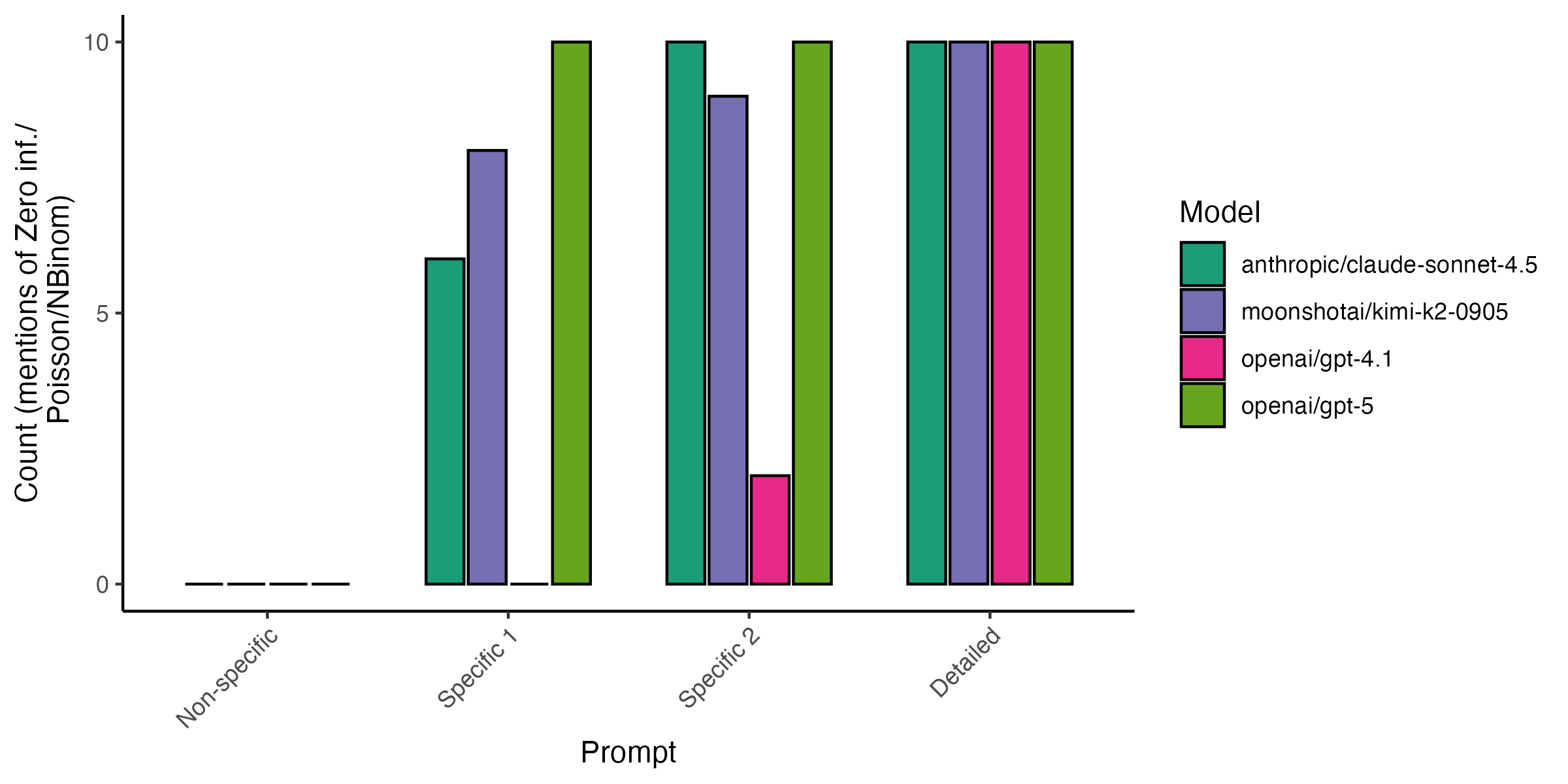
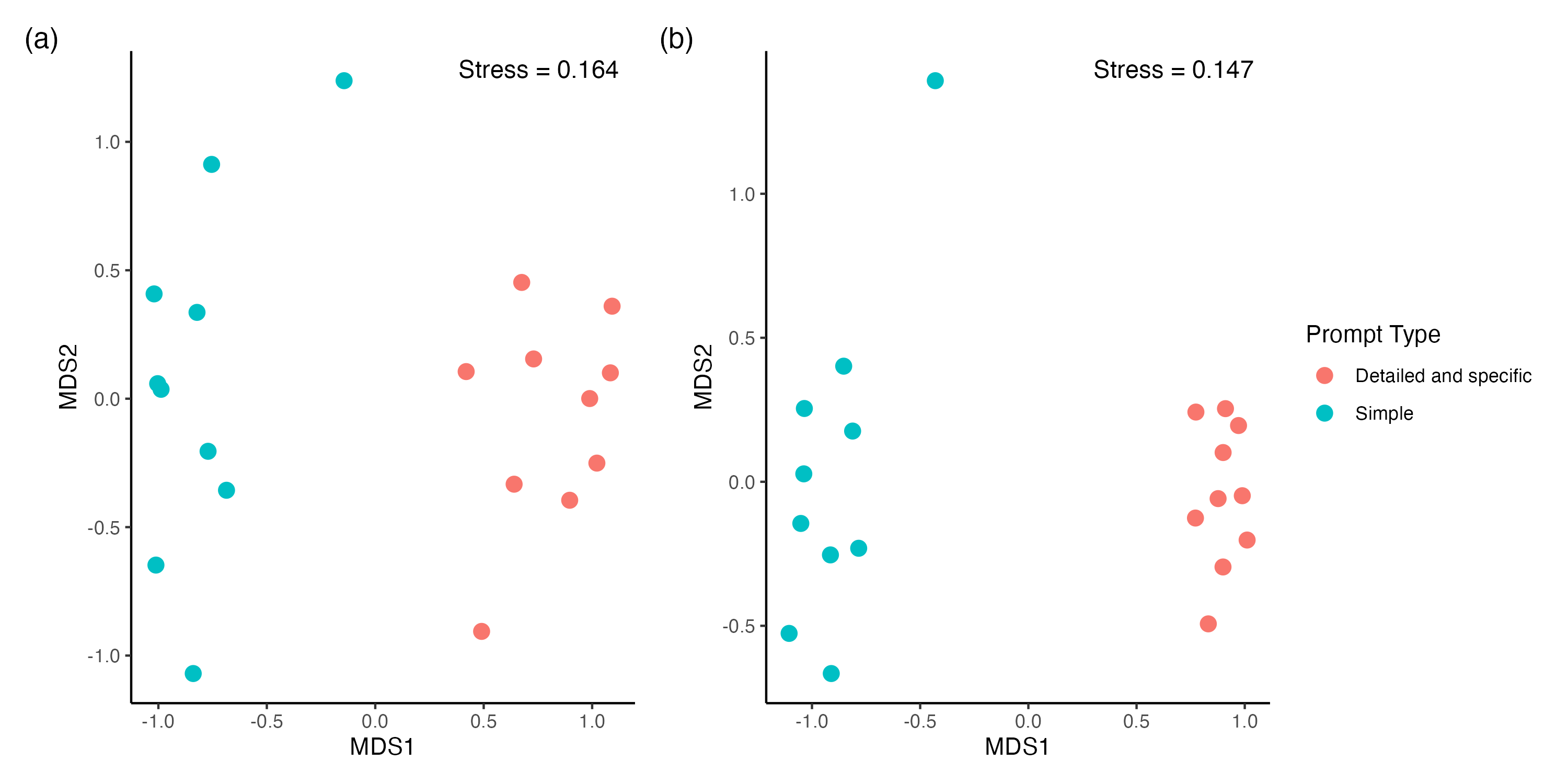
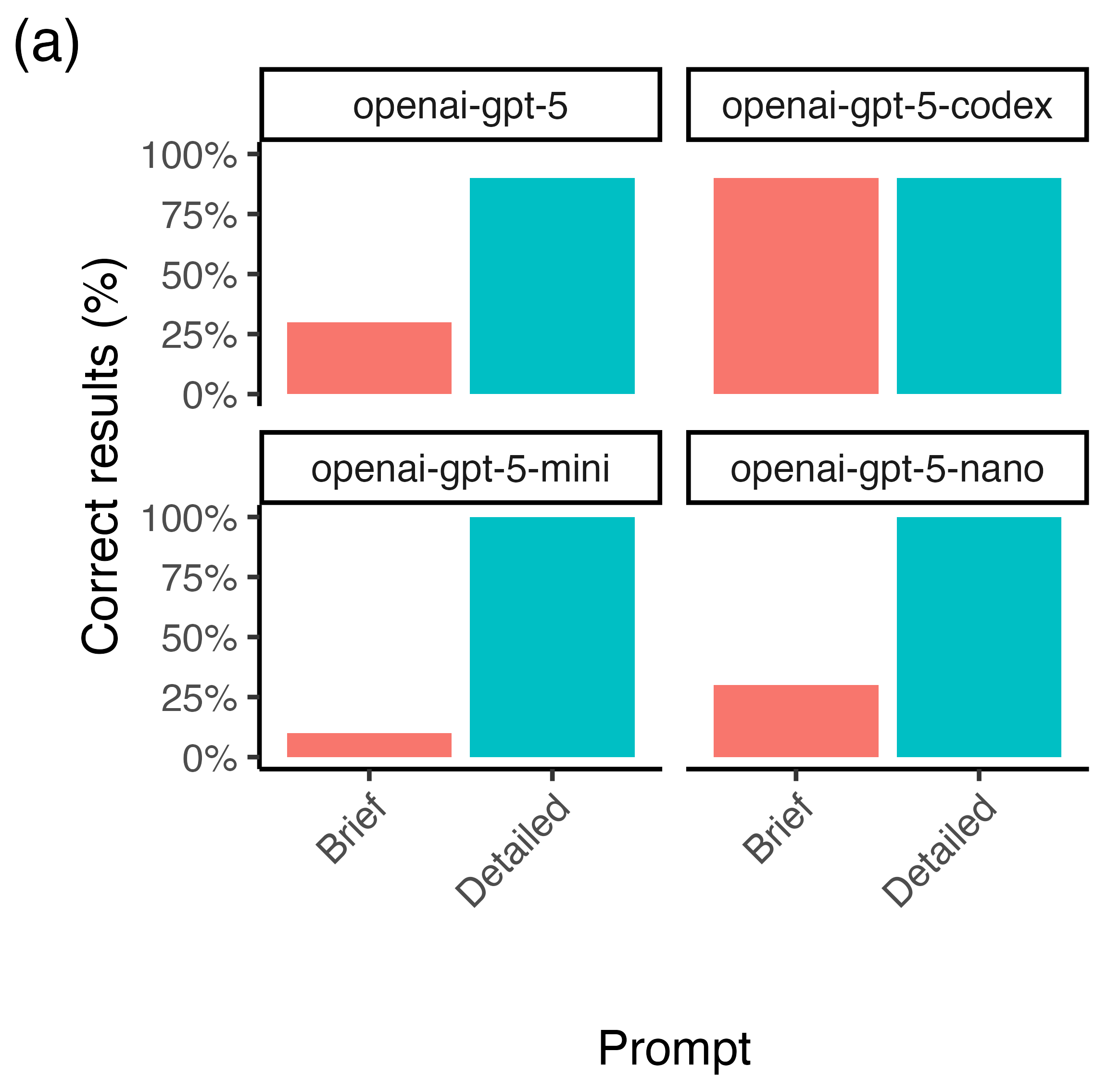
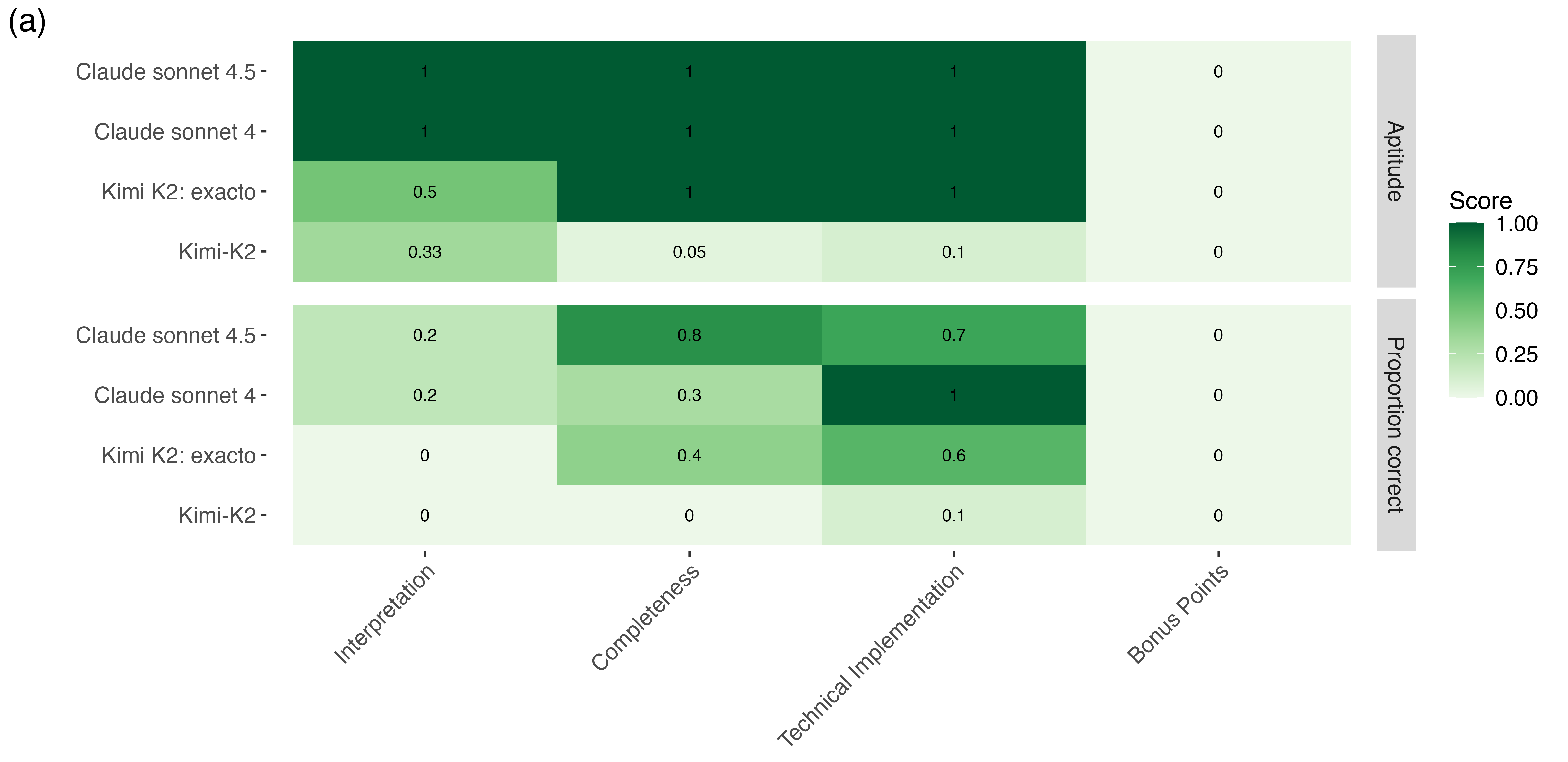
- Be detailed and specific in prompts
- Plan the steps upfront
- Keep files organized
- Provide context (but avoid irrelevant information)
- Build in tests and verification
- Give information upfront, avoid conversation
What is “Vibe Coding”?
“Fully give in to the vibes, embrace exponentials, and forget that the code even exists.”
— Andrej Karpathy
(This is not how we should use LLM agents for research)
When is it ok to use LLM agents?
- Low importanc taskse: Tasks that don’t affect others (e.g., educational games)
- High importance tasks: Only when you can verify the accuracy of results.
- Build verification into your workflow (e.g., visualizations, tests, expert review)
Easy vs. Hard Verification
Hard to verify: - “How would I do this analysis?” - Requires expert knowledge to evaluate the quality of the response
Easy to verify: - “Generate 10 figures for this data” - Visual inspection + domain knowledge
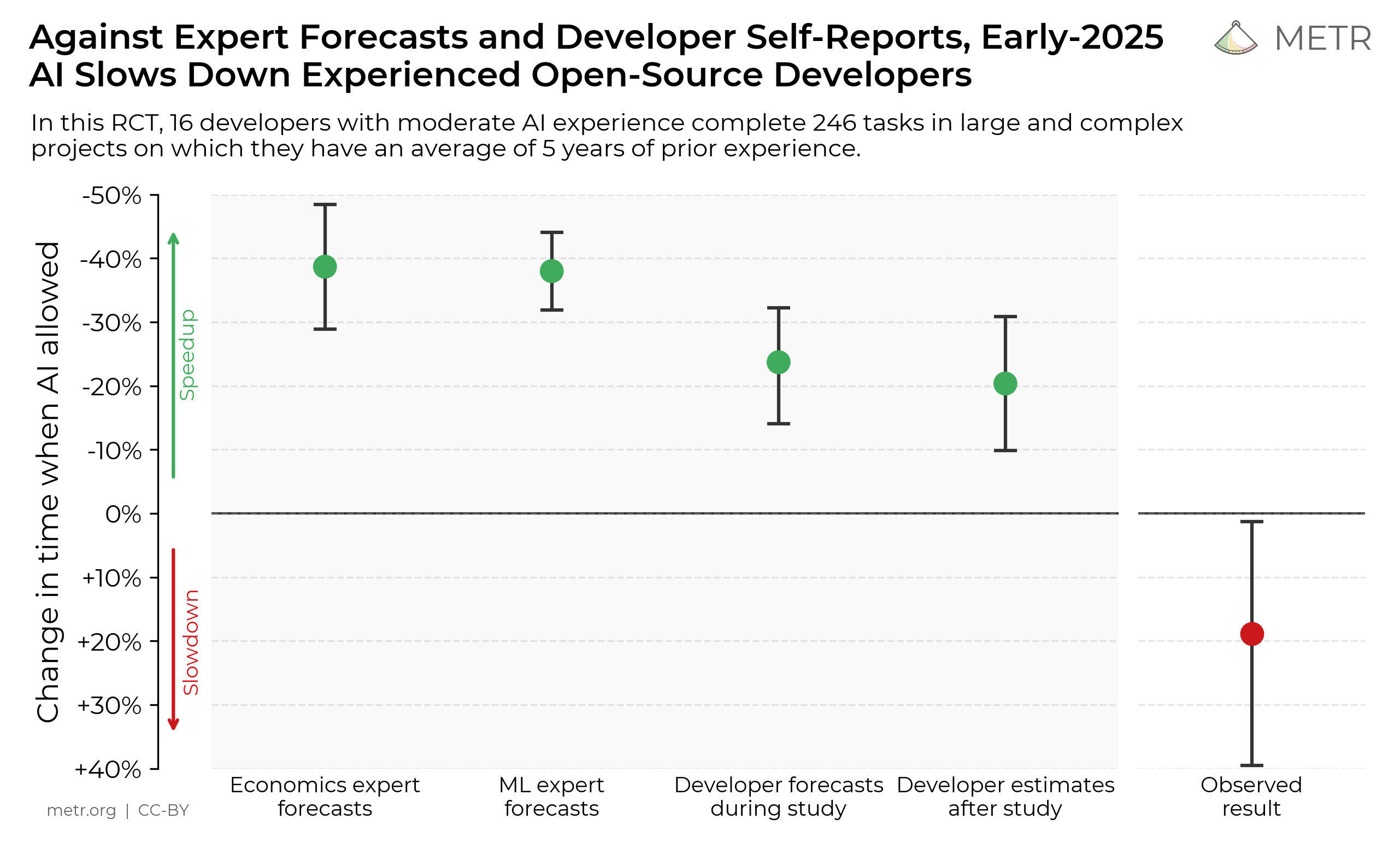
Do LLMs Actually Save Time?
- There’s a big grey area between AI slop and useful output
- Need to be careful how you use the tools
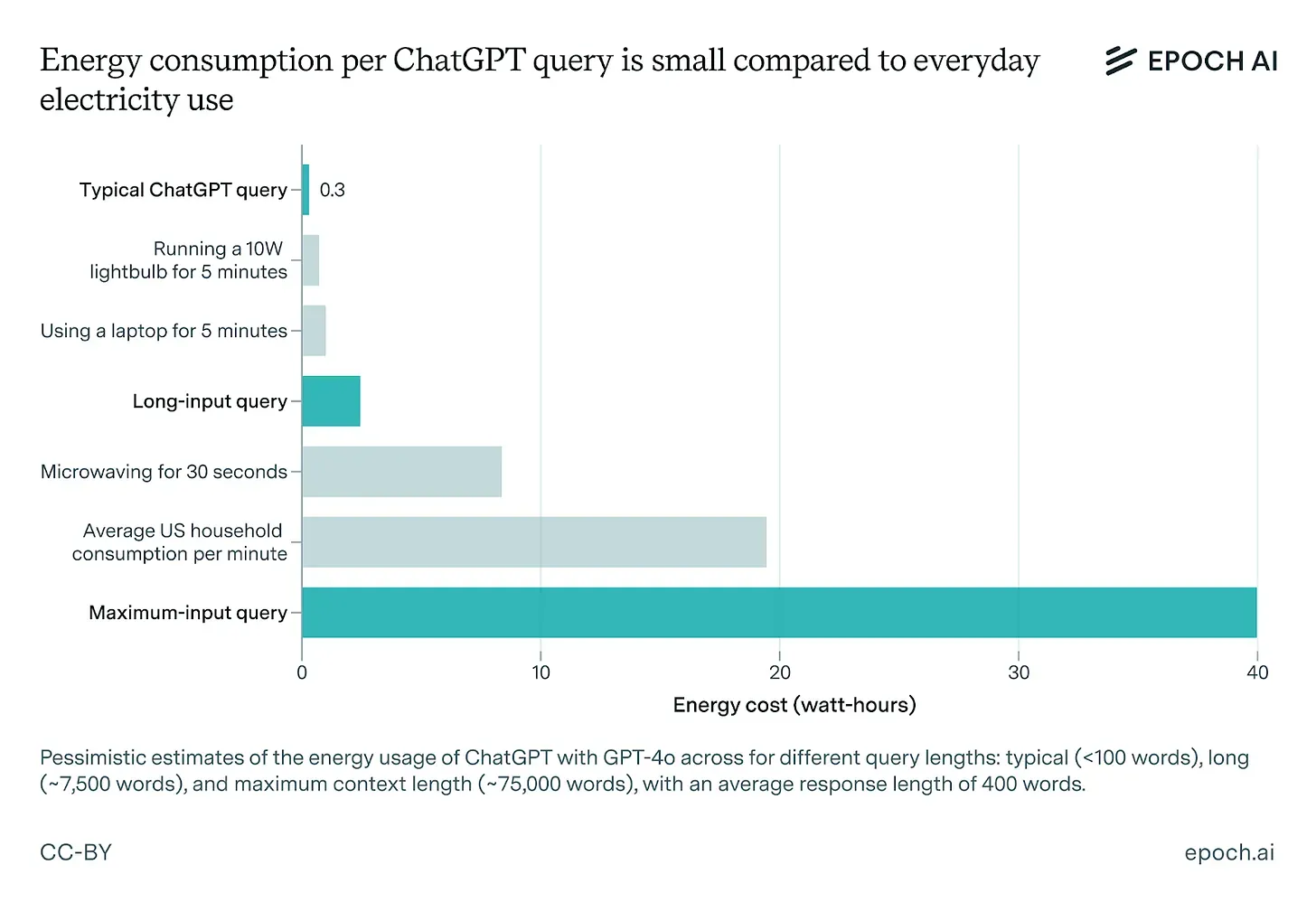
Environmental Costs
Relatively small impacts for individual users, but growing energy demand for the sector.
![]()
Recent summary on AI electricity use
Consider efficiency when choosing tools and models.
Privacy and Security
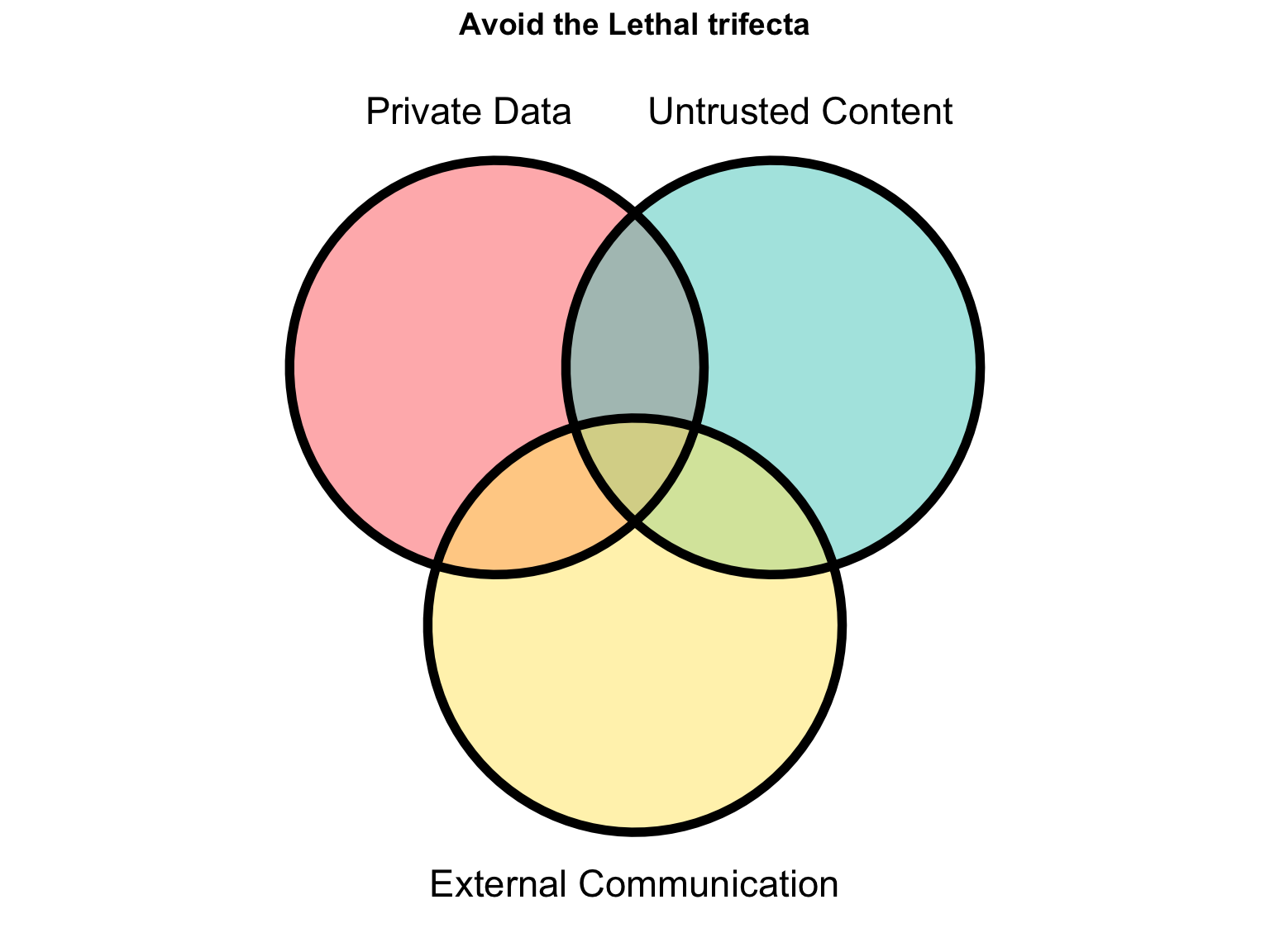
The lethal trifecta: avoid all three together
![]()
Never send proprietary or sensitive data to untrusted services with external communication capabilities.
Willison - Lethal trifecta
Summary advice for AI in data analysis
- Use genAI judiciously so
- You don’t waste your time improving slop
- You don’t waste energy
- You don’t compromise security
- Experiment to see work works
- Aim for quality over quantity
Back to my personal blog
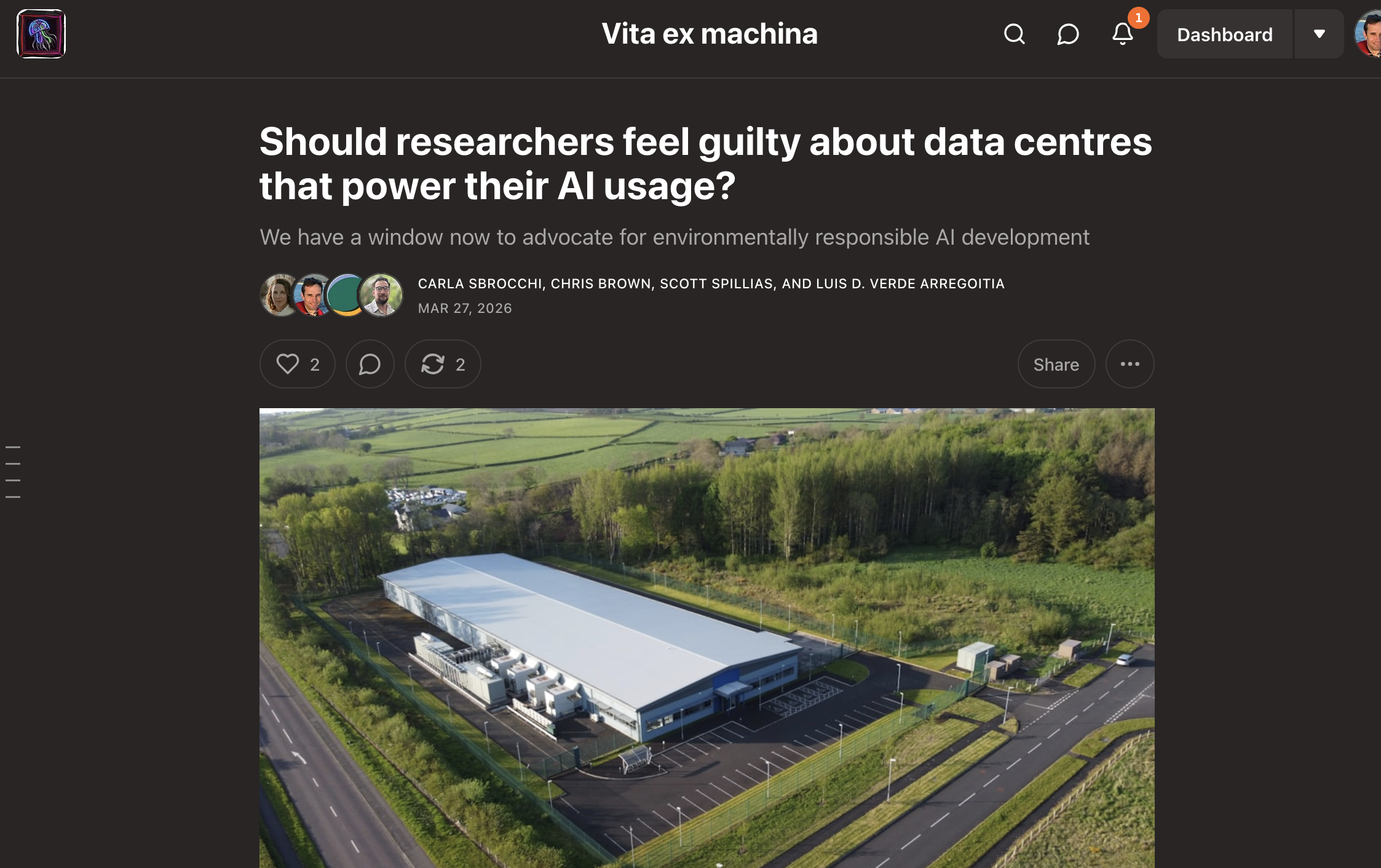
Check out our collaborative blog on substack
Vita ex machina (life from the machine)
![]()